

The environments we live in take a crucial part in shaping our feelings and actions. Interior design is not only about looks; it is a strong tool that influences our mood, efficiency, and general health. If you are creating cozy spaces that encourage coziness or planning a modern home office that encourages creativity, the choices you make in your design choices have deep implications for how we experience emotions and function in our everyday activities.
Starting with the shades that decorate our interiors to the manner we place our furnishings, every aspect contributes to the total ambiance of our home. By comprehending the principles of color psychology, the importance of daylight, and the current trends in sustainable interior design, we can transform our living spaces into sanctuaries that represent our character and cater to our emotional needs. In this article, we will investigate different facets of interior design, examining how careful selection of designs can create welcoming, functional, and aesthetically pleasing environments that boost our quality of life.
Creating Inviting Spaces
The essence of creating comfortable spaces lies in how the components of interior design integrate to evoke warmth and comfort. Soft textiles like luxurious throw blankets, soft pillows, and area rugs can instantly turn a room feel inviting. Choose warm colors that promote relaxation, such as soft neutrals, soft grays, and pastels. These hues synchronize to create a soothing atmosphere that embraces you at the end of the day.
Illumination plays a crucial role in developing a warm environment. Incorporating multi-level lighting through a combination of ambient, task, and accent lights can enhance a space. Use dimmable fixtures and soft bulbs to offer your rooms a gentle glow. Add table lamps, floor lamps, and candles to offer soft, inviting illumination that encourages relaxation and a sense of peace.
Lastly, consider the configuration of furniture as a essential aspect of coziness. Group seating in a way that encourages conversation and connection, such as placing sofas and chairs in intimate groupings. This not only optimizes flow but nurtures a sense of community within the space. Adding personal touches like cherished photographs or treasured decor items can also enhance the feeling of comfort, making your home a true sanctuary.
Color Psychological Effects in Interior Decor
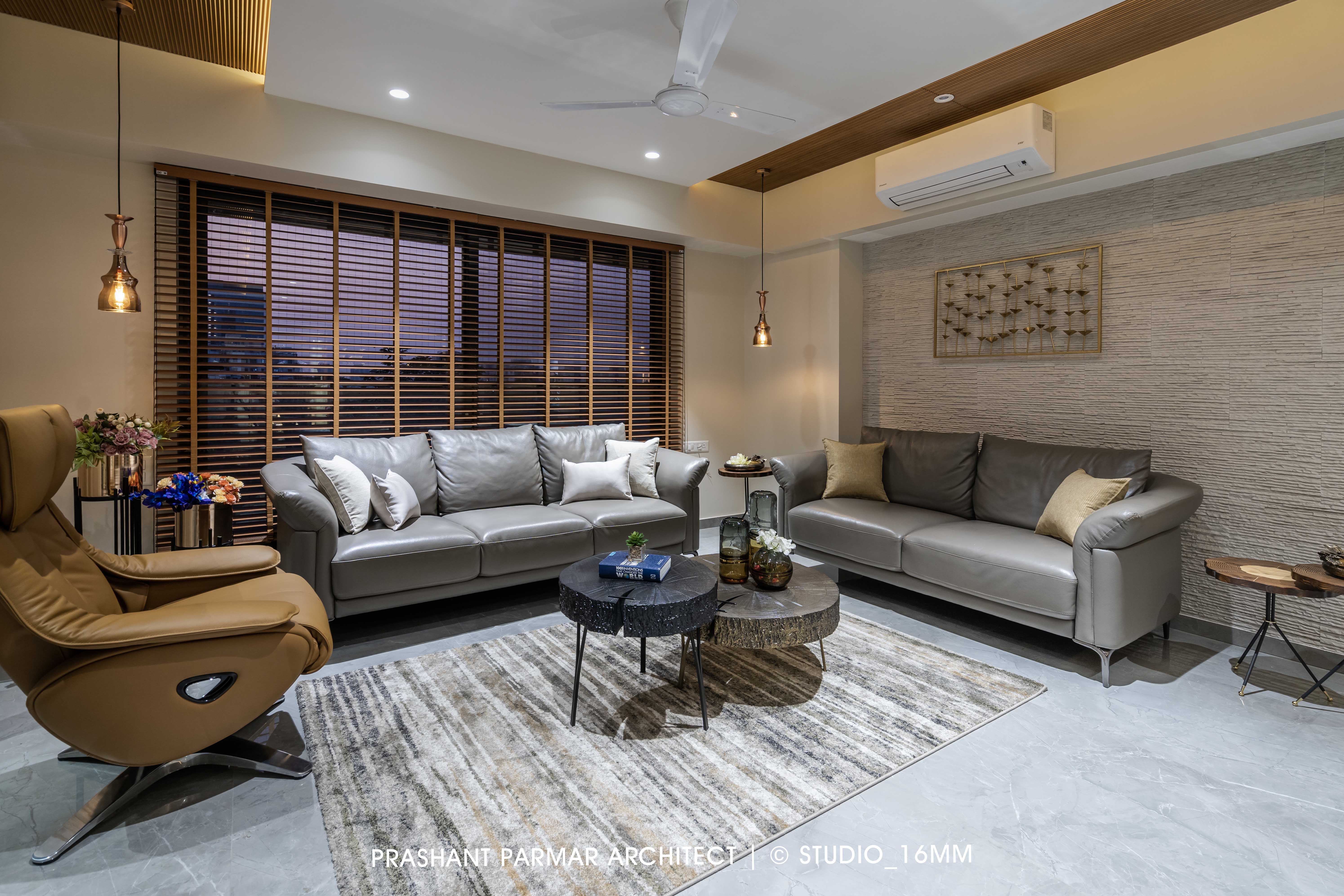
Color plays a vital role in shaping our feelings and interactions within a space. great site can trigger different emotions and responses, making it essential for interior designers to factor in the psychological effects of their colour choices. For example, hot colours like crimson and amber can create a sense of energy and warmth, making them ideal for communal areas like lounges and dining areas. In contrast, cold colors such as cyan and green often encourage calmness and tranquility, making them ideal for bedrooms and bathrooms where relaxation is key.
Grasping the nuances of color must also encompass the societal associations that can affect viewpoints. For example, while ivory is often linked with innocence and neatness in some cultures, it may represent mourning in others. Therefore, a deliberate method to color choices can improve the intended atmosphere of a space and foster emotional health. Luxury Interior Designers South Florida should aim for a harmony that resonates with the intended purpose of each area while being aware of the diverse backgrounds of those who will occupy the space.
Incorporating color principles into home design can also extend to accent pieces, furniture, and artwork, creating a cohesive environment that elicits specific feelings. By carefully choosing hues for surfaces, fixtures, and ornaments, designers can create inviting spaces that encourage comfort, productivity, or even creativity. Ultimately, the intention behind colour selections can significantly affect how individuals feel and engage within their environments, highlighting the importance of thoughtful planning in enhancing overall quality of life.
Sustainable Home Design
Eco-Friendly home design focuses on designing spaces that are both visually appealing but also sustainable. By choosing materials that are harvested sustainably, designers can assist reduce the overall carbon footprint of a design. This consists of incorporating reclaimed wood, recycled metals, and low-VOC (volatile organic compounds) paints that minimize harmful emissions. Choosing sustainable materials contributes to a healthier living environment while simultaneously appealing to eco-conscious homeowners.
Adding energy-saving solutions is another key aspect of sustainable home design. This might consist of installing LED lighting, high-efficiency appliances, and smart home technologies that reduce energy consumption. Natural light plays a crucial role in this approach, as designing spaces to maximize daylight can decrease reliance on artificial lighting, thereby lowering energy bills. Simple adjustments, such as strategically placing mirrors and using light colors, can also enhance natural illumination and cultivate a sense of openness.
Finally, sustainable interior design emphasizes the importance of longevity and resilience in furnishings and fixtures. Investing in high-quality, timeless designs ensures that items are less likely to be discarded and need replacement over time. This method not just reduces waste but similarly fosters a connection to the home, as thoughtfully designed spaces resonate emotionally with their occupants. Ultimately, eco-friendly interior design is about making choices that honor both personal preferences and the planet.