

Interior decorating is a discipline that goes beyond simple visuals; it shapes the way we feel our space. Whether it is a comfortable living room that promotes relaxation, a stylish home office that improves productivity, or a elegantly arranged kitchen that fosters culinary creativity, the areas we occupy play a important role in our everyday lives. By grasping the principles of this art form, we can change any environment into a representation of our individuality while boosting comfort and functionality.
As we explore the various aspects of decorating, from color psychology to the essential nature of natural light, we will look into how to create settings that are not only attractive but also foster well-being. We will highlight modern trends such as eco-friendly options, clean lines, and connection to nature, showcasing how these concepts can energize a room. This manual will provide advice into designing for different needs, whether you are utilizing a compact space, creating a warm and inviting entryway, or designing a relaxing sanctuary in your bedroom. Join us in learning about the art of decorating and how you can readily use these ideas to transform your space into a home that truly reflects you.
Establishing Warm Environments
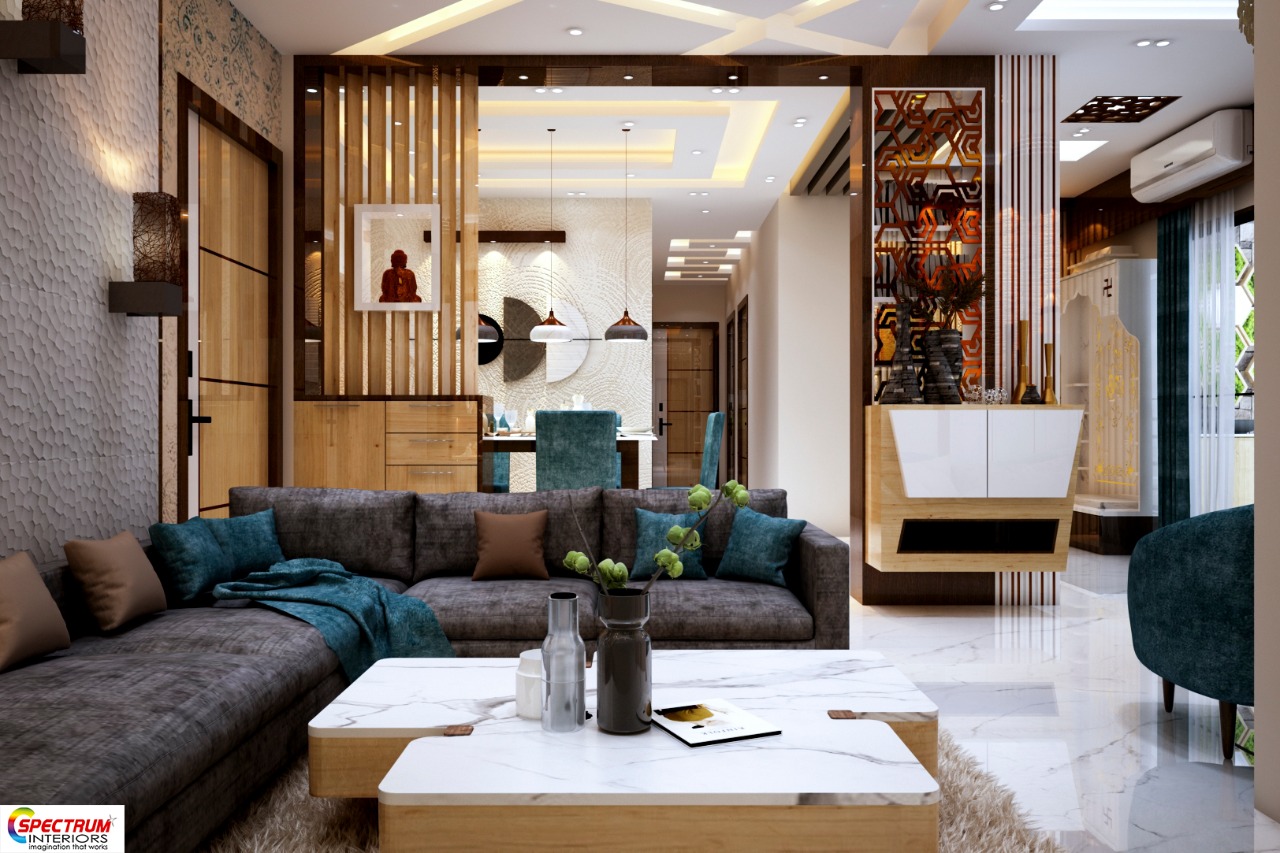
Creating a comfortable atmosphere in your space begins with choosing the perfect color palette. Warm tones, such as soft whites, earthy tones, and gentle pastels, contribute to a sense of coziness. Ponder painting walls in inviting shades, and then layer your decor with complementary accents. Including South Florida Interior Designer like cozy throw pillows and warm blankets can elevate the cozy ambiance, causing your space feel welcoming and soothing.
The arrangement of furniture plays a key role in developing inviting spaces. Look for an cozy seating arrangement that promotes interaction and connection. Cluster furniture together in closer clusters rather than dispersing them out too far apart. This not only boosts movement but also fosters a warm environment that invites guests to stay and repose. Ponder adding a snug reading nook with a relaxing chair and proper lighting to establish a designed space for relaxation.
The incorporation of organic elements can greatly contribute to a cozy atmosphere. Including plants, natural furniture, and natural textures helps to build a connection with the outdoors, rendering the space feel more inviting. Additionally, note the importance of lighting; soft, warm lighting from lamps and candles produces a serene setting. By carefully integrating these elements, you can change your home into a comfortable retreat that exudes coziness and serenity.
Enhancing Compact Spaces
In today's world, cosy living areas have become more and more common, but that doesn't mean you have to sacrifice aesthetic or practicality. The secret to optimizing small areas is intelligent design choices that utilize every square inch. Choosing for multi-functional furniture, such as a futon or a living room table with hidden space, can help you declutter while still maintaining visual appeal. Employing vertical space by adding shelves or utilizing organizers can likewise significantly enhance storage possibilities without taking up important floor area.
Forming the sense of a larger space can be done through smart design techniques. Reflective surfaces, for instance, can reflect light and produce depth, giving the feeling of a spacious environment. Additionally, maintaining a light color scheme can help a room appear more spacious and more open. Choosing furniture with open legs rather than bulky pieces can also enhance this impression, allowing light to circulate through the space smoothly.
In conclusion, deliberate layout and movement are crucial in maximizing small areas. recommended you read of filling the room with an overwhelming number of items, as this can lead to a crowded atmosphere. Rather, arrange furniture in a way that promotes movement and flow, ensuring you have unobstructed pathways. Zone your area effectively by designating areas for different activities, such as a relaxation corner or a workspace, while still keeping the overall design harmonious and welcoming.
Adopting Sustainable Architecture
Green interior design centers on developing areas that are not only visually pleasing but also ecologically responsible. This approach emphasizes the use of sustainable resources, energy-efficient appliances, and green materials. By opting for eco-friendly products such as bamboo or repurposed glass countertops, homeowners can significantly decrease their carbon footprint while enhancing the beauty of their living spaces. Embracing sustainable design is about making conscious choices that contribute to a healthier planet and a comfortable home.
Incorporating sustainability into your environment can also mean optimizing natural light and ventilation. By maximizing natural light through careful window placements and utilizing eco-friendly lighting solutions, you can reduce reliance on man-made light while at the same time creating a more inviting environment. Furthermore, plants can play a key role in improving indoor air quality and providing a link to nature. This nature-inspired design not just enhances visual appeal but also fosters well-being among residents.
In conclusion, adopting a green mindset often leads to innovative DIY projects and repurposed furniture. Rather than discarding South Florida Interior Design , consider how they can be repurposed into new focal points in your home. This practice not only minimizes waste and also adds a unique character to your space. By prioritizing sustainability in your interior design choices, you can create a home that reflects both your personal style and your dedication to the planet.