

In a universe where our homes are reflections of our identities and lifestyles, interior designers play a key role in crafting areas that echo with harmony and well-being. In addition to mere surface beauty, these professionals intertwine considered features together, ensuring that each room has a function while also enhancing well-being. Whether it's creating comfortable spaces that invite calm or integrating biophilic designs that bring a element of nature indoors, the art of interior design encompasses a variety of factors.
Contemplate the unique difficulties of small space design, where enhancing efficiency and design is vital. Joined by the principles of color psychology, which incite specific feelings, interior designers expertly curate settings that not only are visually appealing but also have a positive ambiance. By utilizing the impact of ambient light to embracing sustainable options, their skills transforms houses into balanced homes that showcase a deliberate balance of beauty and functionality.
Making Cozy Areas: Warmth in Styling
Creating warm areas is crucial for turning a living space feel welcoming and friendly. The secret to achieving this ease lies in the careful choice of furniture, fabrics, and lighting. Comfy materials like wool, plush and soft items can greatly enhance the feeling of comfort. Including oversized pillows, throw blankets, and cozy seating layouts encourages a sense of peace, welcoming people to linger and enjoy the space.
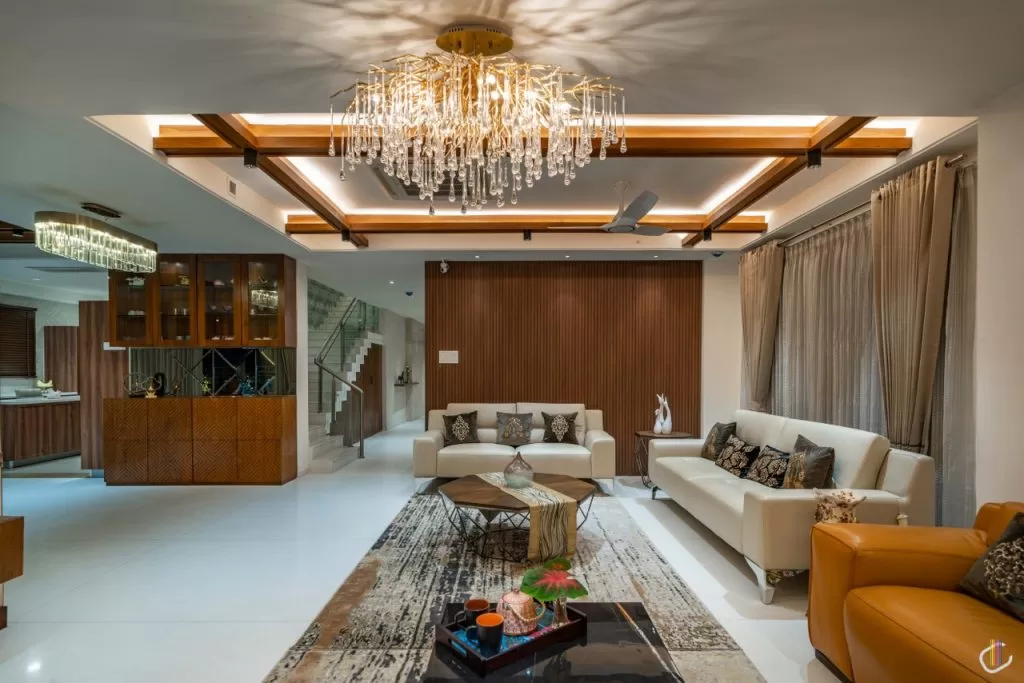
Ambient light plays a vital role in creating a cozy feel, so maximizing windows and using light-filtering treatments allows daylight to stream in while maintaining seclusion. Balancing the daylight with soft artificial lighting helps create an ambiance during nighttime hours. Multiple lighting, such as lamps and wall lights, can create an engaging atmosphere, making areas feel more personal and appear approachable.
Personal touches and design elements can also enhance the feeling of cosiness in a home. Displaying treasured pictures, cherished keepsakes, or art that reflects with the owner adds character, making the environment feel lived-in and appreciated. Blending these features fosters an atmosphere that supports well-being and can be a cherished sanctuary from the external chaos.
Maximizing Effectiveness in Compact Areas
In limited spaces, every square inch counts, and optimizing utility is crucial to create a livable environment. One efficient strategy is to integrate versatile furniture that can serve various use. For illustration, a futon provides a comfortable lounging area during the day and changes into a sleeping quarters at night. Storage ottomans with storage features can also function as coffee tables or extra seating, providing for flexibility without compromising comfort or style.
Another method is to utilize vertical space by adding shelves, wall-mounted cabinets, or tall bookcases. South Florida Interior Design helps to draw the eye upward, making the room feel more spacious while providing plenty of storage for books, decorative items, and everyday necessities. Strategically placing mirrors can also improve the sense of space by reflecting light and producing an illusion of depth, further contributing to a less cluttered atmosphere.
Lastly, consider the layout of the space and make sure that furniture arrangement promotes easy flow and accessibility. Avoid big, unwieldy pieces that can clutter the area and instead opt for lighter, streamlined designs. Creating dedicated spaces within a small area, such as a reading nook or workspace, helps to boost functionality while maintaining an inviting and harmonious environment. By intentionally blending https://blogfreely.net/casavalasquezinterior5/crafting-visions-the-way-interior-designers-bring-ideas-to-life , small spaces can become both stylish and practical.
Emotional Effects of Hue and Luminance
The interplay of shade and light in interior design deeply shapes our emotions and well-being. Different hues evoke distinct feelings; for instance, cozy tones like reds and tangerines can energize a environment, while calmer hues like blues and jades often create a sense of tranquility. When carefully chosen, colors can change a setting from a ordinary atmosphere into a retreat that resonates with the intended mood. For instance, a warm living room might be augmented with gentle lighting and earthy tones, encouraging comfort and encouraging deep conversations.
Daylight light plays a vital role in improving the affective mood of an indoor space. It brings comfort and vitality, making areas feel more inviting and open. Designers often leverage on natural light sources and other apertures to maximize daylight exposure, encouraging a link with the external world. The intentional use of light fixtures augments this natural luster, allowing for adaptability in ambiance. A well-lit home can boost overall psychological state and create an encouraging environment, making occupants feel more content.
In blending color and luminance, designers also are mindful of the mental effects. Warm and bright colors combined with diffused lighting can evoke emotions of happiness and imagination, perfect for spaces like study rooms or playrooms. Conversely, for spaces dedicated to rest such as bedrooms, softer tones with gentle mood lighting foster calm and a good night’s rest. By understanding and utilizing these concepts, designers create harmonious spaces that promote psychological well-being , essential for any living environment.